
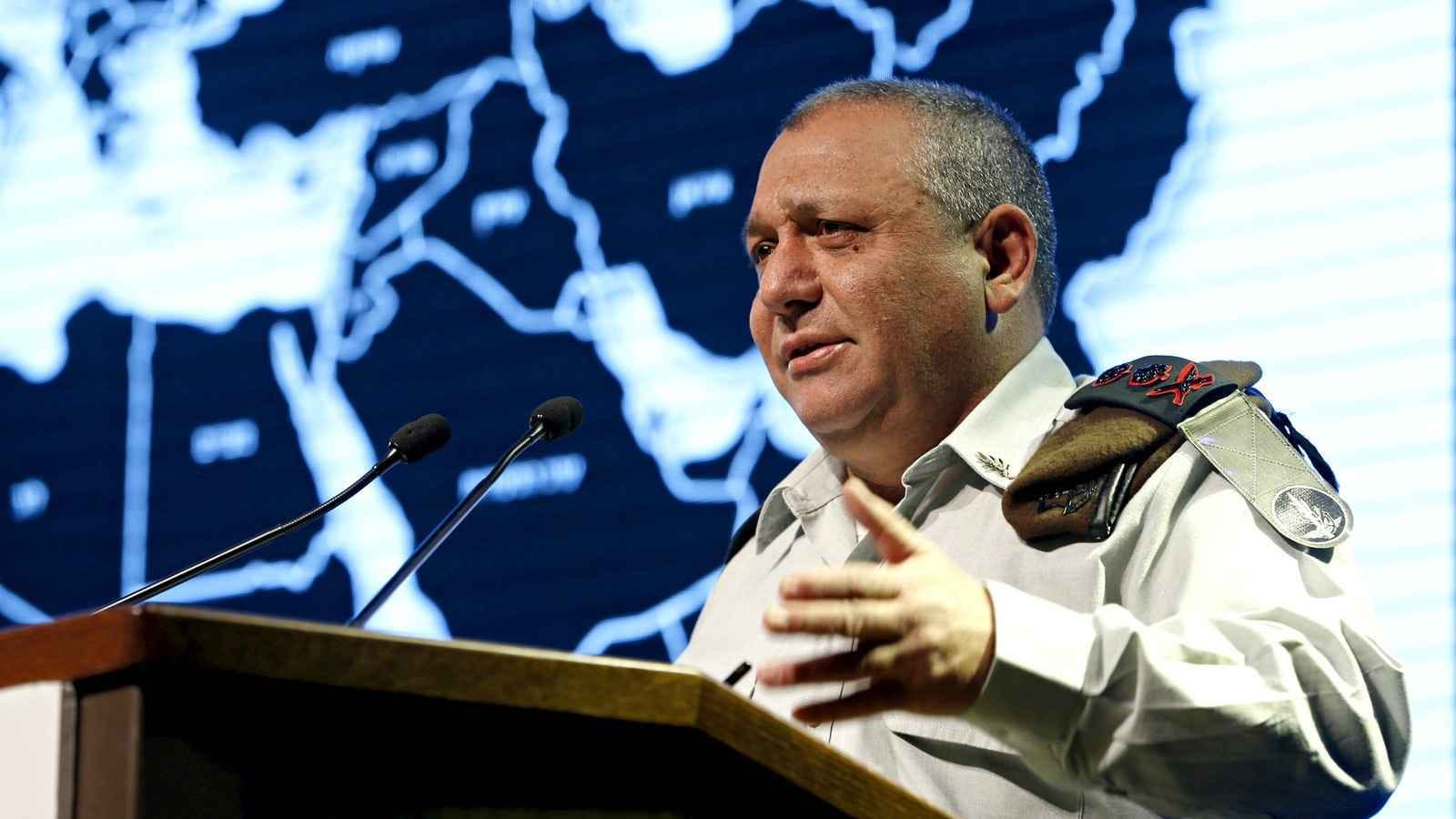
Following announcements that U.S. President Donald Trump intends to end approximately $4 billion in annual U.S. military assistance to Israel by the end of 2026, Gadi Eisenkot—leader of the Yashar party and former war cabinet minister—issued a scathing attack against Prime Minister Benjamin Netanyahu. Eisenkot stated publicly that Netanyahu’s conduct poses a direct danger to national security, declaring that “he can no longer be relied upon and must be replaced”.
The sharp rebuke underlines deepening political fractures within the Israeli establishment following post-election coalition deadlocks and escalating diplomatic friction with Washington.
Eisenkot criticized the Prime Minister after learning about potential shifts in U.S. strategic and military aid through media reports rather than institutional security channels.
Eisenkot accused Netanyahu of hiding critical strategic realities from the public, insisting that Netanyahu must directly address Israeli citizens immediately to clarify the status of U.S. bilateral aid.
The Yashar party leader, alongside anti-Netanyahu bloc partners (including Yair Lapid, Naftali Bennett, Avigdor Liberman, and Yair Golan), continues efforts to block Netanyahu from extending his caretaker tenure and form an alternative parliamentary majority.
President Trump’s public assertion that the U.S. will terminate $3.8–$4 billion in annual military financing by the end of 2026 caught the Israeli Ministry of Defense and military brass completely off guard.
While Netanyahu previously discussed phasing out reliance on U.S. aid gradually over ten years, the abrupt termination creates severe structural uncertainty for the defense budget through 2027–2028.
The aid crisis occurs against a backdrop of post-election maneuvering, where Netanyahu leads a fragile caretaker administration with only 46 backing MKs while resisting calls for political transition.
What This Signals
When a former Chief of Staff and War Cabinet Minister openly asserts that the Prime Minister poses a genuine security danger and must be replaced immediately over U.S. aid cuts, it signals an acute institutional crisis at the top of the state hierarchy. The debate is no longer limited to routine parliamentary disputes; it reflects a deep breakdown between executive political leadership and the defense establishment. A prime minister managing a prolonged regional war faces accusations of deceiving his own defense institutions while strategic alliances fray. That is what is actively unfolding, statement by statement and faction by faction, while the world looks elsewhere.